Diskurs
Dienstag, 10.03.2026
“Voss Report” receives overwhelming majority!
Decision for democracy and innovation in the European Parliament
Today, the European Parliament overwhelmingly adopted the “Report on Copyright and Generative AI – Opportunities and Challenges,” which establishes rules for the use of copyrighted content in training generative AI.
The Authors' Rights Initiative, which represents 140,000 authors and performers, welcomes the publication, which sends a strong signal that technological innovation and effective protection of European intellectual property are not contradictory, but can go hand in hand. This puts pressure on the European Commission to improve conditions for the Cultural, Creative, and Media industries in the age of generative AI.
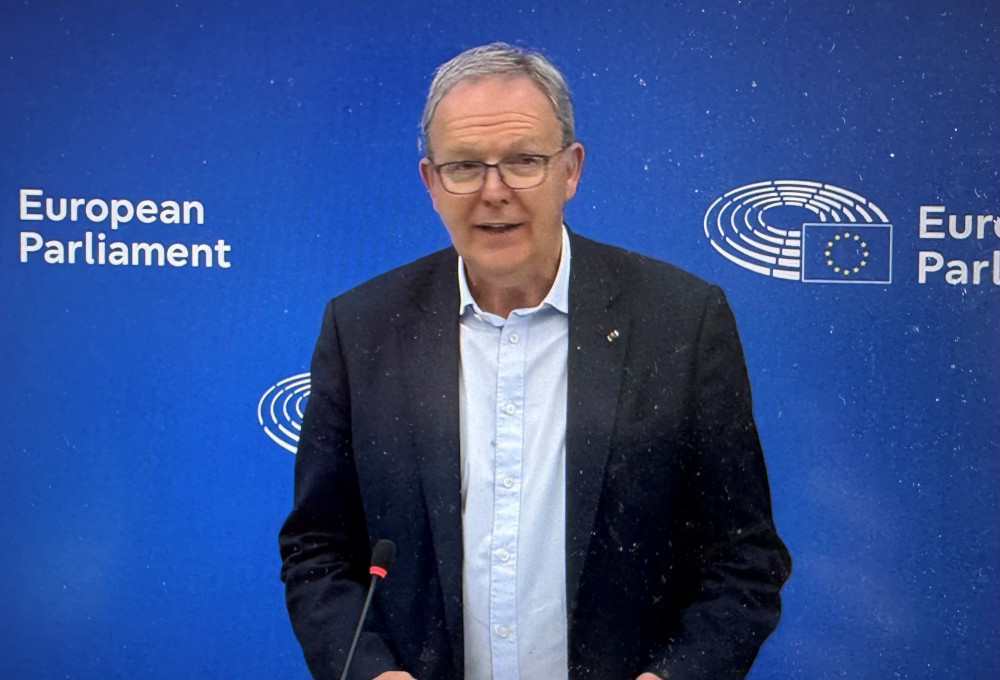
Berlin, March 10, 2026. Today, Parliament adopted its resolution “Copyright and generative artificial intelligence – opportunities and challenges” with 460 votes in favor, 71 against, and 88 abstentions. We would like to thank the rapporteur Axel Voss (EPP), the shadow rapporteurs, and all supporting MEPs. Voss had initiated the report “AI and Copyright” because the Copyright Directive and the AI Regulation do not cover the implications of the use of protected works and performances by and for generative AI. Today's vote is not legally binding, but it is a clear and important political signal. The EU Commission must now tighten up the laws – in the interests of a sovereign digital Europe: for a sustainable and value-oriented European economy.
Some of our demands were not taken up, but the report
- contains important demands for transparency regarding which copyrighted works are used for training generative AI systems,
- provides for comprehensive compliance with opt-outs, and
- creates incentives for the development of a functioning licensing market, the use of high-quality European content can be licensed and remunerated in a tailored and flexible manner for the training of AI models.
These demands to make the goals of the AI Regulation a reality are central to us. Their implementation is sorely needed, as the business practices of large non-European AI providers pose an existential threat to cultural and creative diversity in Europe. Furthermore, the framework outlined enables innovations that can advance European companies in all sectors and make the EU less dependent on non-European tech giants.
“The motivation (...) has been triggered by the development of technology and the existing imbalance (...) We have to take care that the enforcement of these (rights) is still possible.” Voss also mentions that “a functioning licensing market must be developed.” Regarding the use of illegally obtained data, the report calls for a “new approach,” according to Axel Voss, MEP, at this afternoon's press conference.
In the run-up to the vote, SPD MEP Tiemo Wölken, who played a leading role in the negotiations in the Legal Affairs Committee, said: “Nothing less than the viability of media outlets is at stake.”
The spokesperson for the Authors' Rights Initiative, composer Matthias Hornschuh, comments: "Konrad Adenauer once stated that the sovereignty of a state can be determined by the degree to which it is immune to blackmail. The result of such an assessment would currently be painful for Europe. Sovereignty is an expression of freedom. For art, culture, media, and science, freedom is not a decorative accessory, but a mandatory prerequisite. From their perspective, the sovereignty of a state can be measured not least by its treatment of creative professionals. Their work is the engine of social change, a prerequisite for innovation, and an important component of the economy. Today, Europe has come to its senses. This was long overdue, and we are grateful for it."
Initiative Urheberrecht (Authors’ Rights Initiative)
Pressekontakt: info@urheber.info
Mehr Diskurs
Dienstag, 10.03.2026
Presseerklärung"Voss-Bericht" bekommt überwältigende Mehrheit
Entscheidung für Demokratie und Innovation im Europäischen Parlament
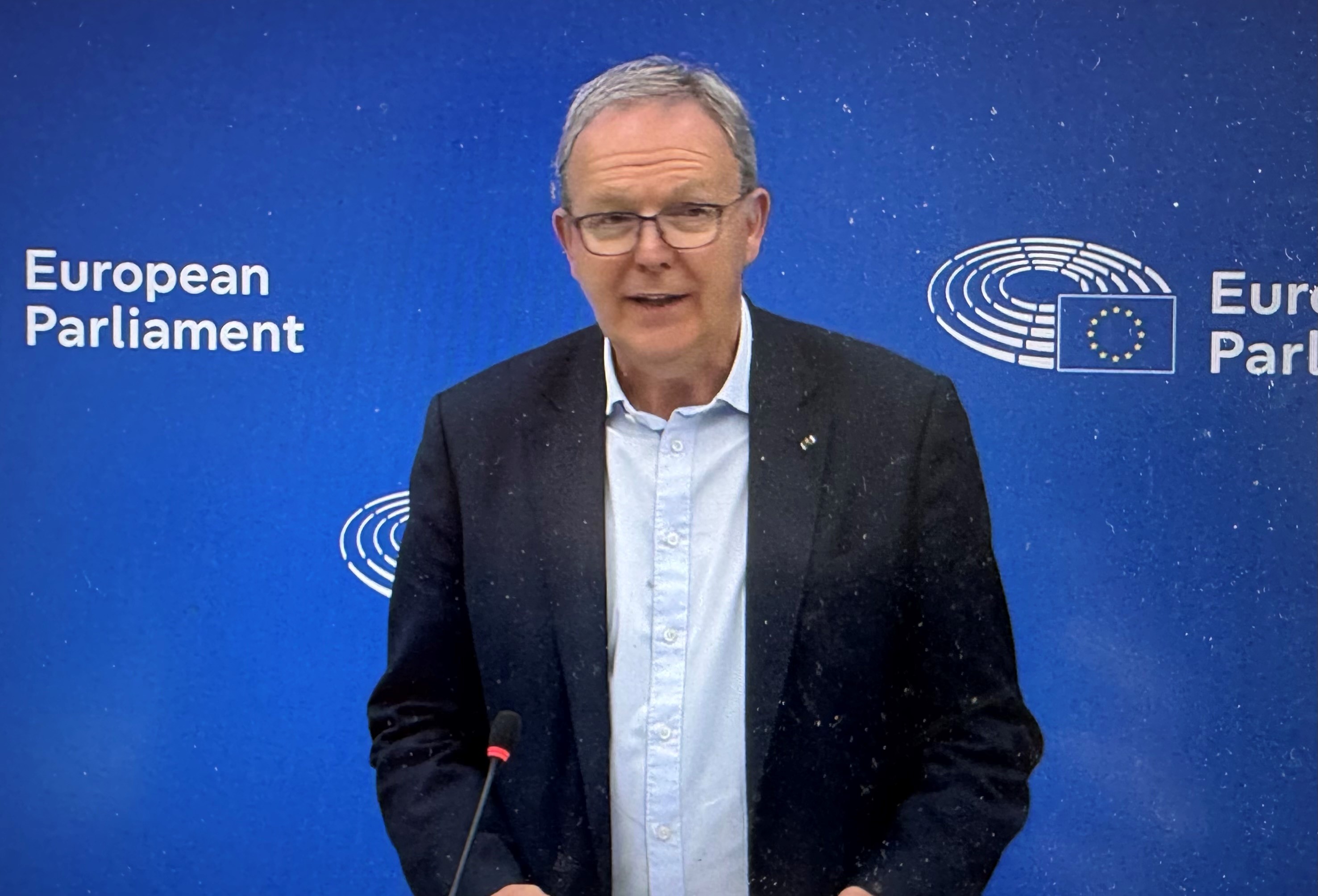
Heute wurde der „Bericht über das Urheberrecht und generative KI – Chancen und Herausforderungen“ im Europäischen Parlament mit überwältigender Mehrheit angenommen, der Regeln für die Nutzung urheberrechtlich geschützter Inhalte beim Training generativer KI aufstellt.